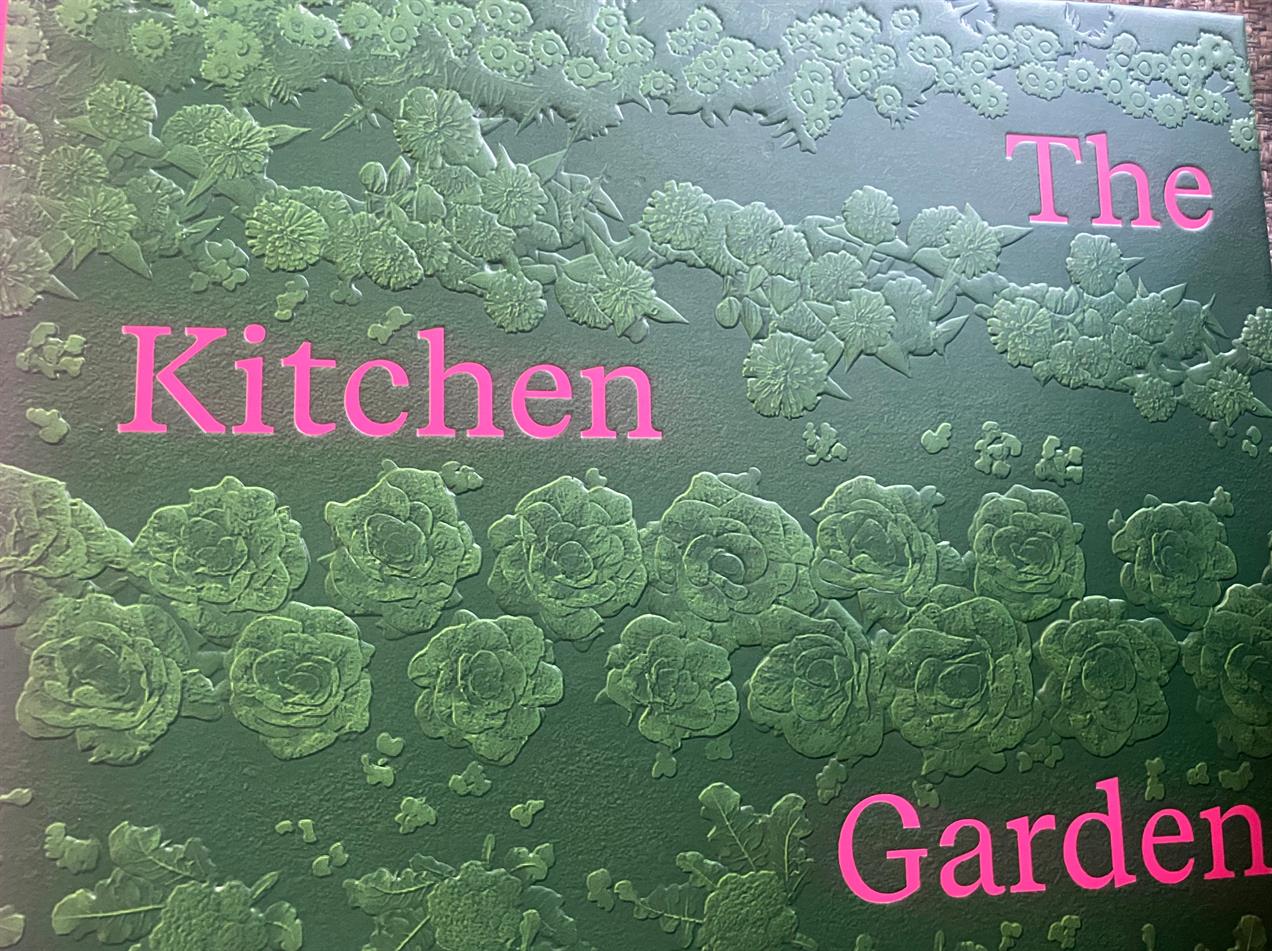
The Phaidon book, in fashionable embossed hardback covers, looks impressive and promises to be definitive.
Musgrave is a garden historian and a respected name in his field, and is well-suited to the task of touring old kitchen gardens worldwide.
He chews over 50 examples, from New Zealand to Neukölln, takimg in historic British estates such as Gordon Castle, demonstration edible gardens at Kew and allotments at Bushy Park, home to Cleve West's vegan plot. The differing but all influential sites at Knepp, Gravetye and Perch Hill are profiled too, as is Charles Dowding's no dig garden.
Babylonstoren, the Newt's South African garden is included, as are potagers at Versailles and even a skiline garden at Coutts in London.
Musgrave's conclusion is that growing your own goes in and out of fashion, but the long history of edible gardens show that they prevail in the long run.
He wants to show the significance of the kitchen garden both in history and in relation to ornamental gardens, which tend to get most of the coverage.
From medieval plots to walled country house estates, and onto more modern school and community plots, kitchn gardens have historically balanced utility with aesthetic appeal, often using microclimates for cultivating exotic produce. Wars and Covid boosted grow your own, as have economic downturns. Those macro pressures will continue, so the kitchen garden will too, and Musgrave's book is a fine companion showing the importance of this type of garden.