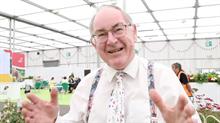
Griffiths is part of a new wave of gardening influencers reshaping how horticulture is presented to younger audiences. Promising “no jargon or fluff,” he shares short, practical how-to videos with 409,000 followers on Instagram, positioning gardening as simple, achievable and aesthetically pleasing, rather than technical or intimidating.
His rise reflects a broader shift in how gardening knowledge is consumed. Traditional television formats and long-form magazine advice have often been criticised as "too abstract", expert-led and disconnected from beginners. Influencers like Griffiths, by contrast, demonstrate tasks step-by-step in real time, often from their own homes or allotments, speaking plainly and avoiding specialist terminology. The appeal lies as much in relatability and presentation as in instruction: clear visuals, confident delivery and an emphasis on immediate results.
Critics argue that this model can only ever scratch the surface. Short-form social media content, by its nature, prioritises speed and accessibility over depth. There are concerns that many influencers, not just in gardening, rarely move beyond entry-level advice. Advocates counter that accessibility is precisely the point: if traditional gardening media alienates newcomers, then simplifying the message is a strength, not a weakness.
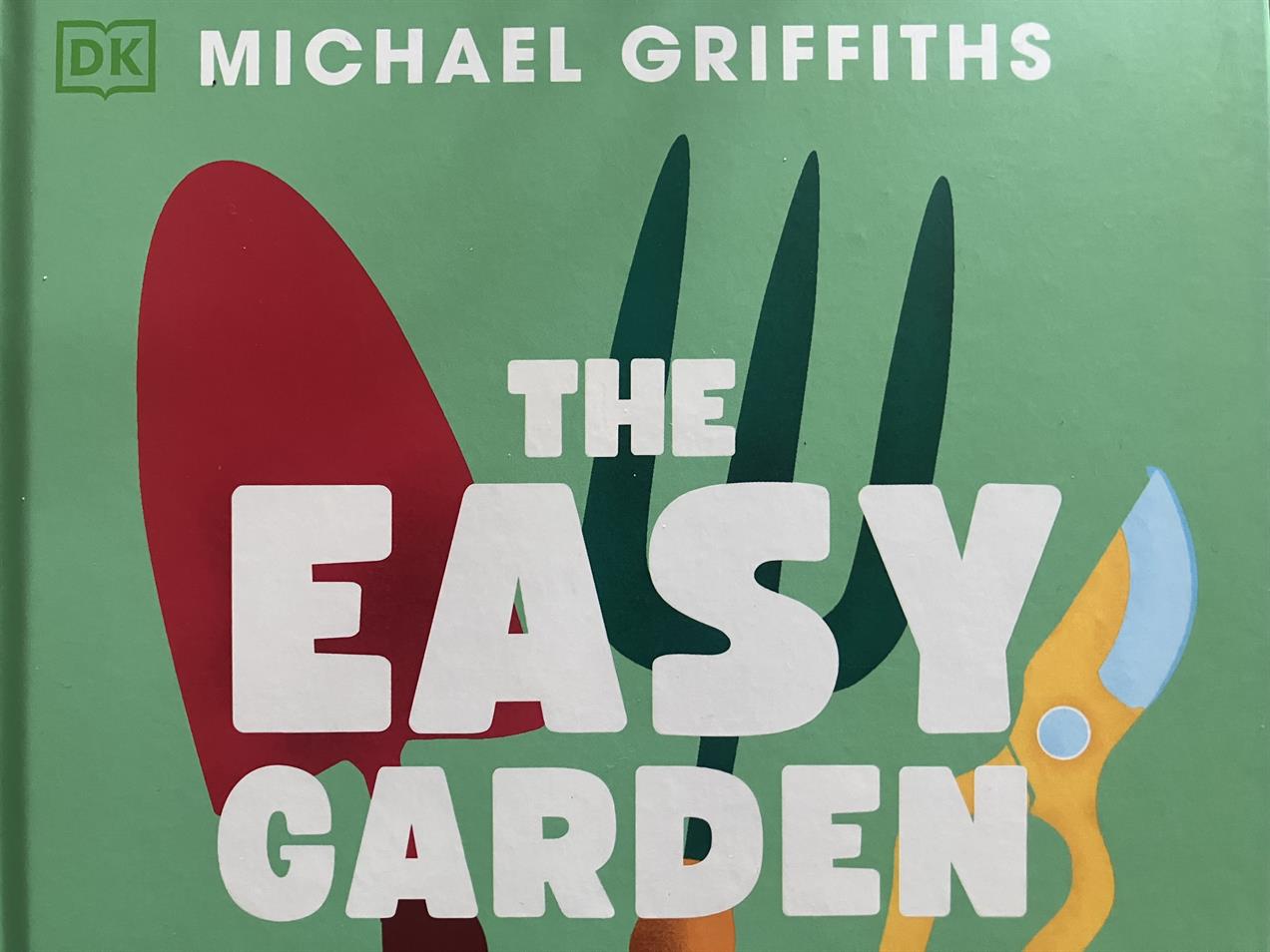
Publishers have been quick to recognise the commercial potential. For illustrated lifestyle houses such as DK, identifying authors can be straightforward: look at audience size and engagement, then commission a book. In this ecosystem, writing may not be an influencer’s core skillset, but publishing teams can shape, refine and structure content into a cohesive guide. The result is often highly polished. Presentation, a longstanding DK hallmark, is a particular strength.
Griffiths’ book runs to 222 pages and contains close to 1,000 photographs. The density of imagery underlines its visual-first approach. Early pages set the tone: a standalone photograph of a hand fork on page 12 exemplifies the level at which the guide begins. Tools are introduced one by one. Processes are broken down into small, clearly staged steps. There are numerous choreographed sequences, Griffiths shovelling compost into a wheelbarrow, for example, that mirror the clarity of his social media tutorials.
Yet sustaining a book of this length inevitably requires moving beyond the very simplest tasks. Alongside beginner basics are more involved projects such as making compost and taking semi-hardwood cuttings. These are not inherently complex techniques, but they demand patience, timing and some understanding of plant growth cycles. It is possible that the core readership, drawn in by the promise of simplicity, will gravitate towards the easiest wins and skim the more technical sections.
There are also flashes of originality that reflect the influencer mindset: practical, low-cost solutions that feel shareable, such as repurposing old tights to tidy up plant pots. These small, clever touches help distinguish the book from more traditional manuals.
Behind the scenes, the production scale is substantial. At least 15 DK staff members and freelancers, from project editor to index writer, are credited. Their involvement ensures structural coherence, clarity of explanation and navigability. However much the author’s personality drives the brand, the finished product is unmistakably the result of collaborative publishing expertise.
In the end, the book “stacks up” in the sense that it delivers exactly what it promises: a highly visual, carefully organised, beginner-friendly guide that lowers the barrier to entry. Whether it advances gardening knowledge in depth is another question. But as part of a broader cultural shift, one that reframes horticulture for a generation raised on Instagram, Griffiths represents a commercially savvy and culturally significant development in how practical skills are taught.