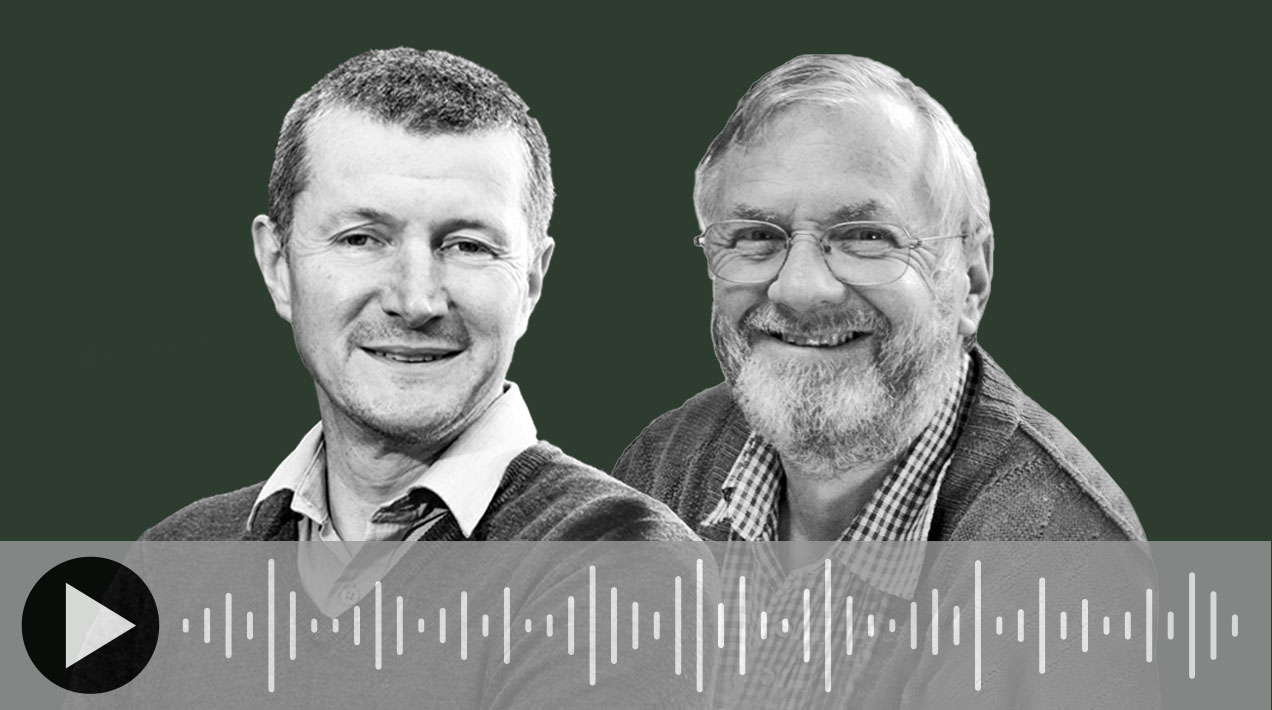
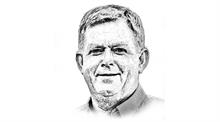
Long-time HortWeek columnist and nursery business consultant John Adlam of Dove Associates joins the HortWeek Podcast to talk about the latest Government document "A New Vision for Water".
Adlam explains the significance of this document to horticulture and raises concerns because "there's no real mention of how [horticulture is] going to be participating in the new vision" and "still does not consider irrigation to be an 'essential use'".
He talks about how horticulture has fared in recent months with extremes of drought and "a deluge" in different parts of the country affecting water harvesting, stores and growth.
Adlam talks about the measures available to horticulturists to mitigate the risk associated with extreme weather that is becoming more "normal" with every year that passes. Whereas in the past, water was "a minor part of growers' annual costs".
But "today the biggest concern is not so much the costs of water as to the availability of water" he says, with high capital costs often associated with maintaining supply.
Growing media is as important as the water itself and peat-free is presenting growers with fresh challenges and watering has become a highly technical skill he says: "People are becoming more fastidious in the way they irrigate" he says.
He talks about water testing and the need to monitor water quality, pH, conductivity and more.
Like many HortWeek Podcast guests, Adlam was born into horticulture and grew up in his family's plant nursery and landscaping business: "I was nearly born in a glasshouse. Mum came in to labour as she was de-leafing tomatoes."
He talks about narrow escape from a career playing trumpet which he still plays as part of his church work. As an ordained Anglican vicar, Adlam connects his day work in horticulture to his pastoral church work - "in fact my parish was the nursery industry of England".
Adlam reflects on his lifelong connection to and career in horticulture and the huge changes in pest and disease treatments over the years: "Many of the products have less efficacy than they did in the olden days but they are much safer".
Although we have lost a lot of "actives" - active chemical herbicides, fungicides, acaricides and pesticides - we are better off than some countries Adlam says: "Last year Denmark [for example] had only 93 actives; [the UK] has got something like 400 or 500 actives". But being out of the EU, or potentially getting more closely aligned again via the SPS agreement in 2027 is a "swings and roundabouts" situation Adlam says. We are able to continue using some chemicals the EU has restricted, but we miss out on products registered in the EU but not in the UK.
Biological plant health products are in the ascendency but Adlam believes that while we expect "blemish-free plants and at the moment it's very hard to do that entirely biologically".
Podcast producer: HortWeek digital content manager, Christina Taylor
Podcast presenter: HortWeek editor, Matthew Appleby
Make sure you never miss a HortWeek podcast! Subscribe to or Follow HortWeek podcasts via Apple Podcasts, Spotify or your preferred podcast platform.

-2.jpeg)