-2.jpeg)
Research presented in the report shows garden retailers, growers and landscapers all recognise that the challenges presented by excess dry, heat, wet and cold are the most important driver of plant demand going into the future.
But what is less clear is whether their customers, who tend to prioritise fashion, colour, quick impact and low maintenance, are on the same page.
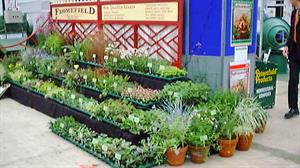
Trends identified in the report include a move towards larger, or more premium specimens in bigger pots which offer customers a short cut when filling a gap in the border or on the patio.
Growers and garden centres are seeing a clear rise in the popularity of added-value plants at garden centres over recent years, driven by demographic change, shifting shopper behaviour and evolving retail strategies.
Some growers have moved from pack bedding to added-value products such as pre-planted containers for convenience and to appeal to modern tastes. Neil Fishlock, retail account manager at Syngenta Flowers, says there is a move from DIY to DFY (done for you).
“Younger gardeners don’t have the patience to grow it on. They buy with their eyes and a bit of knowledge. But those growing from seed to end point are getting less and less. It’s about impulse.”
He suggests that premiumisation, promotional plants and instant colour is becoming the norm and will accelerate in the future: “The participation of premium products appears to be on the increase with plants in larger pots gaining greater presence in the market place.”
Andy Bunker, former director at Alton Garden Centre, said the modern consumer looks firstly for instant colour, but also, good value.
“If you do a top 10 with good plant retailers, then ask why they are in the top 10, obviously they must have the WOW factor, but good value for money is a big reason for sales.
For customers the importance of the resilience of plants comes way behind the importance of cost, impact, fashion and convenience it seems. If a plant is cheap enough, but does not survive, customers will often be content to write off the loss.
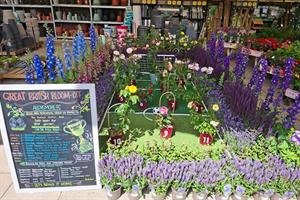
Bunker illustrates this point referencing a reliable top-seller in garden centres, lavender. “A good potful, 3L, full of flower is £9.99,” says Bunker. “If they pay a tenner for a good pot full and it does fail, they will buy another without worrying, but if it’s £20 then that’s a different argument.”
This is exacerbated by the popularity of plants sold under promotions, often dictated by what nurseries are seeking to offload.
The question is, amid ever-rising pressures on costs for growers and customers, is a trend of 'disposable' plants or conversely premiumisation without resilience a sustainable business model for anyone involved?
Christina Taylor is digital content manager at HortWeek.com
PLANTS OF THE FUTURE REPORT
The Plants of the Future report takes detailed look at the retail and landscape markets and how it is gearing up for the plants for the gardens of the future.
This report explores how the sectors differ in their approach to the issue, where their customers are at, and the projects and plants being promoted as climate resilient.
This report aims to give the industry, particularly the engine of the sector, the growers, valuable insight into what plants will be in demand in the future, and why.
Based on data gathered from HortWeek readers and wider industry sources, we reveal what plants are in and out and what the primary drivers of those changes are. We ask whether growers are growing what garden retailers, landscapers, and their customers want and whether there are gaps in the market that growers could be exploiting.
Industry intelligence is broken down into the key areas:
What is driving change in the horticultural sector?
Our data on the factors driving future trends in plant demand reveals interesting patterns across the different horticultural sectors.
Plant trends in the retail sector
When it comes to deciding what plants to sell, garden retailers are bound by realities that, arguably, landscapers are not. When customers often prioritise cheap, pretty, easy-to-grow plants, is there a market for resilient plants?
Plant trends in the landscape sector
Operating in contexts ranging from garden design to more utilitarian, copy and paste-style schemes for housing developments, how are suppliers, designers and customers considering plants that will be fit for the future?
Resilient planting schemes
For landscapers and gardeners, planting for climate resilience is not just about plant selection — we explore the importance of sourcing, planting, diversity, soil health and more.
Climate change-resilient plants
We have seen that growers, landscapers and retailers are aware of the need for plants that are resilient to climate stress. We explore moves from within horticulture to address the risks inherent with climate change and how the industry is readying itself for challenging conditions ahead.
Future trees spotlight
Trees, due to the time they take to grow, their impact on the landscape and their carbon-capturing qualities are in a category of their own when it comes to plants for the future.
Growers' perspective - challenges and opportunities
Where does this leave UK growers?
Are the needs and wants of their customers aligned with what growers can viably produce?
What challenges do they need to overcome, and what are the opportunities?
To purchase an individual report, or add the market reports to a corporate package, please fill out this form and a member of our team will be in touch. Find out more about access HERE.