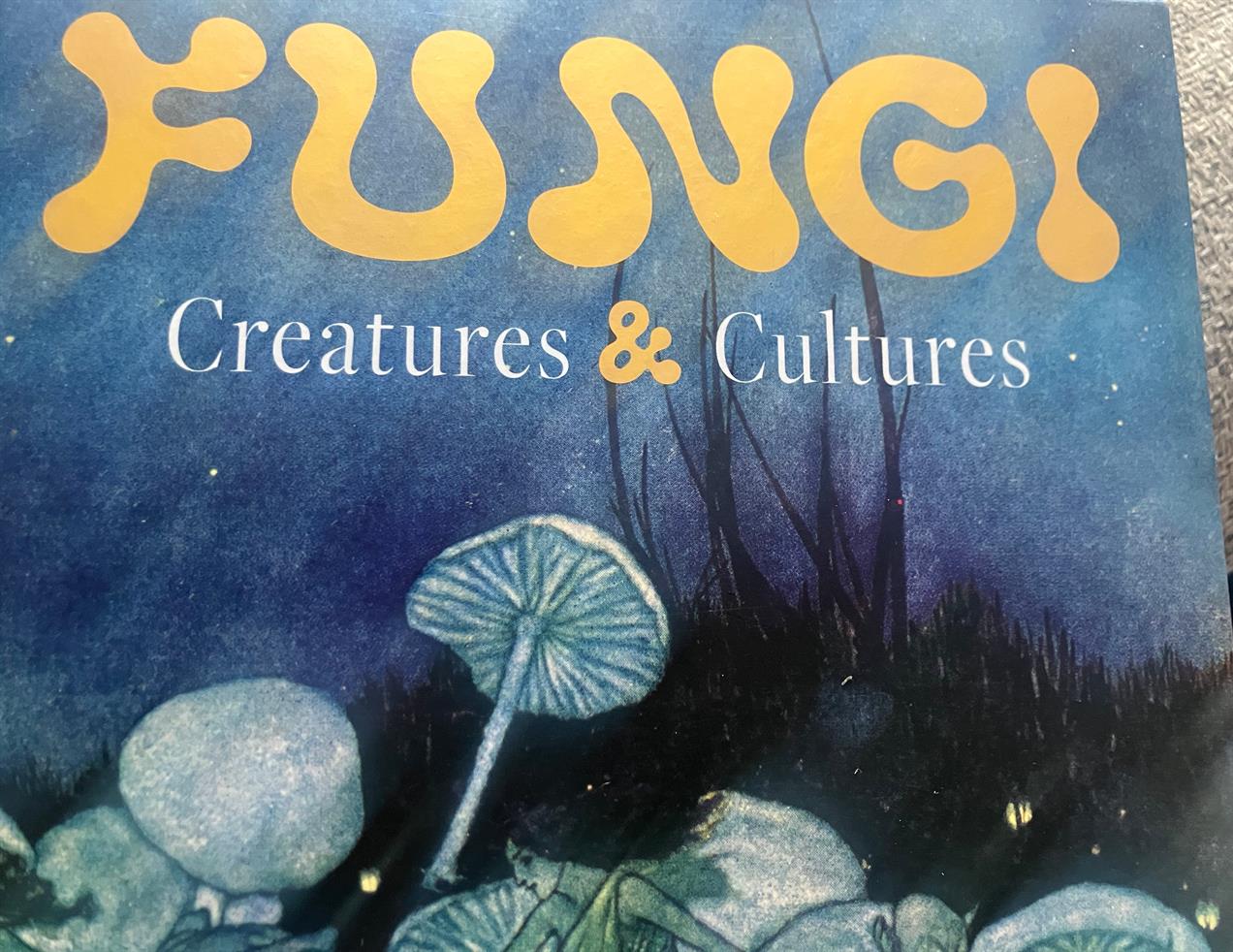
Fungi have always been seen as mysterious, neither plant nor animal, little understood, and fundamentally hidden from view. While the botanical sector is experiencing massive growth in horticultural literature, deep mysteries remain around the fungal kingdom, with an estimated 90% of the world’s 3.8 million species still entirely unknown to science. Stepping into this vast knowledge gap is Fungi: Creatures & Cultures by Kit Ondaatje Rolls, published by Watkins. Most mushroom books focus strictly on the practicalities of cultivation and identification, but this refreshing volume takes a completely different path.
Rather than a simple field guide, the book serves as an interdisciplinary exploration of how the fungal kingdom shapes global ecosystems, drives cultural practices, and offers future ecological solutions. It beautifully bridges the ancient wisdom of nature with modern scientific breakthroughs, showing how these organisms act as vital connective tissue for life on Earth.
Rolls skillfully skips around the world, covering dozens of unexpected angles on mycology. The narrative ranges from the history of hallucinogenics to the concept of "hanging up the phone", a framing of the psychedelic experience that asks: once you lose yourself in an altered state, how do you find your way back, and where, exactly, are you returning to?
Yet, for all its philosophical and cultural depth, the book remains grounded in tangible interaction. Interspersed throughout the text are practical applications, including a neatly illustrated and clearly presented recipe for a Lion's Mane Tincture. By weaving together scientific curiosity, folklore, and hands-on activities, Rolls has crafted a transformative work that successfully coaxes these elusive organisms out of the shadows and into the light.