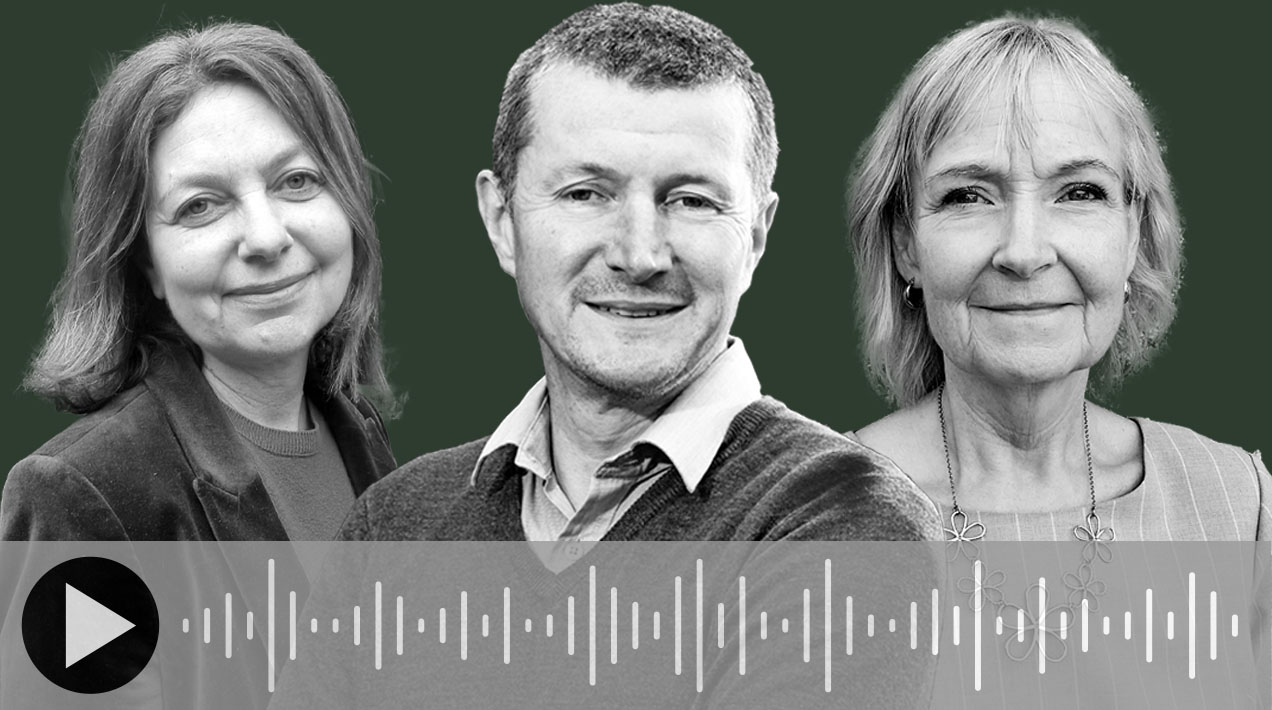
In this week's episode Sue Payne, MD of Q&S Commercial Landscaping, and Alison Benjamin of Urban Bees explore the shift toward chemical-free landscaping and the vital role of sustainable, pollinator-friendly habitats in urban spaces, such as Battersea Power Station.
Rather than viewing natural landscapes as "messy," they argue for a cultural shift toward embracing naturalistic designs. This approach involves replacing intensive, high-emission machinery and chemical weedkillers with skilled hand-gardening techniques.
Benjamin debunks a common corporate sustainability myth: placing honeybee hives on rooftops. She explains that this practice does not aid biodiversity, as honeybees are managed livestock that compete with the UK's 250 wild bee species for food. True biodiversity comes from planting diverse forage.
While chemical-free gardening is more labour-intensive, Payne highlights that it reduces material costs. Cultivating perennial plants and dividing them for self-population creates self-sustaining ecosystems that save money in the long run.
Both guests emphasise the importance of "pollinating London together". By linking small green spaces, green roofs, and pocket gardens, cities can create continuous "pit stops" of forage and nesting sites for traveling insects. This could be scaled up nationwide.
Make sure you never miss a HortWeek podcast! Subscribe to or Follow HortWeek podcasts via Apple Podcasts, Spotify or your preferred podcast platform.

.jpg)