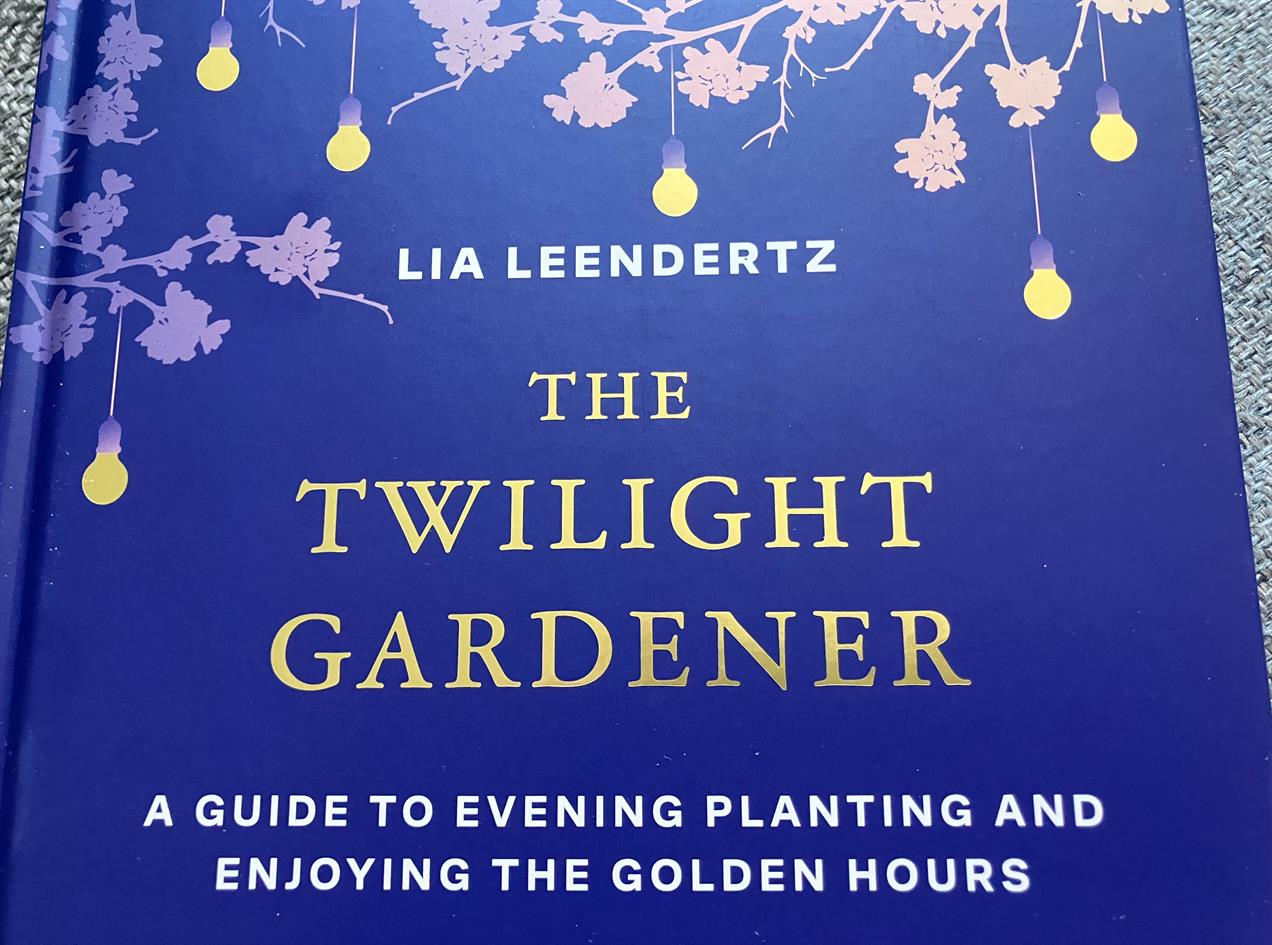
Planting in the 'golden hours' means gardening is the evening and this Pavilion book says "the magic of a garden truly comes alive" when the light fades.
Building on her reputation for the meticulously curated (and often imitated) Almanac, Leendertz pivots toward more esoteric territory, arguing that a garden’s magic doesn’t truly ignite until the sun slips below the horizon.
The premise is as simple as it is poetic: every gardener, regardless of their plot’s size or location, experiences 365 twilights a year. Yet, we rarely "use" them. Leendertz invites us to reclaim these "golden hours," transforming the garden from a chore-filled outdoor room into a sensory sanctuary.
What you can do when it's getting dark is light it, entertain in it, star/moon gaze, camp, BBQ, spot wildlife and plant.
What to plant centres around scent and white plants that are easy to spot in the gloom. The heart of the book lies in its practical botanical advice, specifically tailored for visibility and aroma in low-light conditions. Leendertz focuses on a "lunar palette"—plants that glow when the light fades. This includes white-flowered plants like Nicotiana or white hydrangeas that act as natural reflectors for moonlight. Prioritising night-scented stocks and jasmine, which hold their fragrance close during the heat of the day only to release a heady, intoxicating perfume as the air cools.
The book is far from a mere list of pretty flowers. It is a robust horticultural guide, offering granular details on soil types, propagation, and toxicity. It cleverly balances the ethereal with the practical, noting that while some plants are night-specialists, stalwarts like apple trees and Cotinus (smoke bush) provide the essential structural silhouettes that make a night garden feel "clothed."