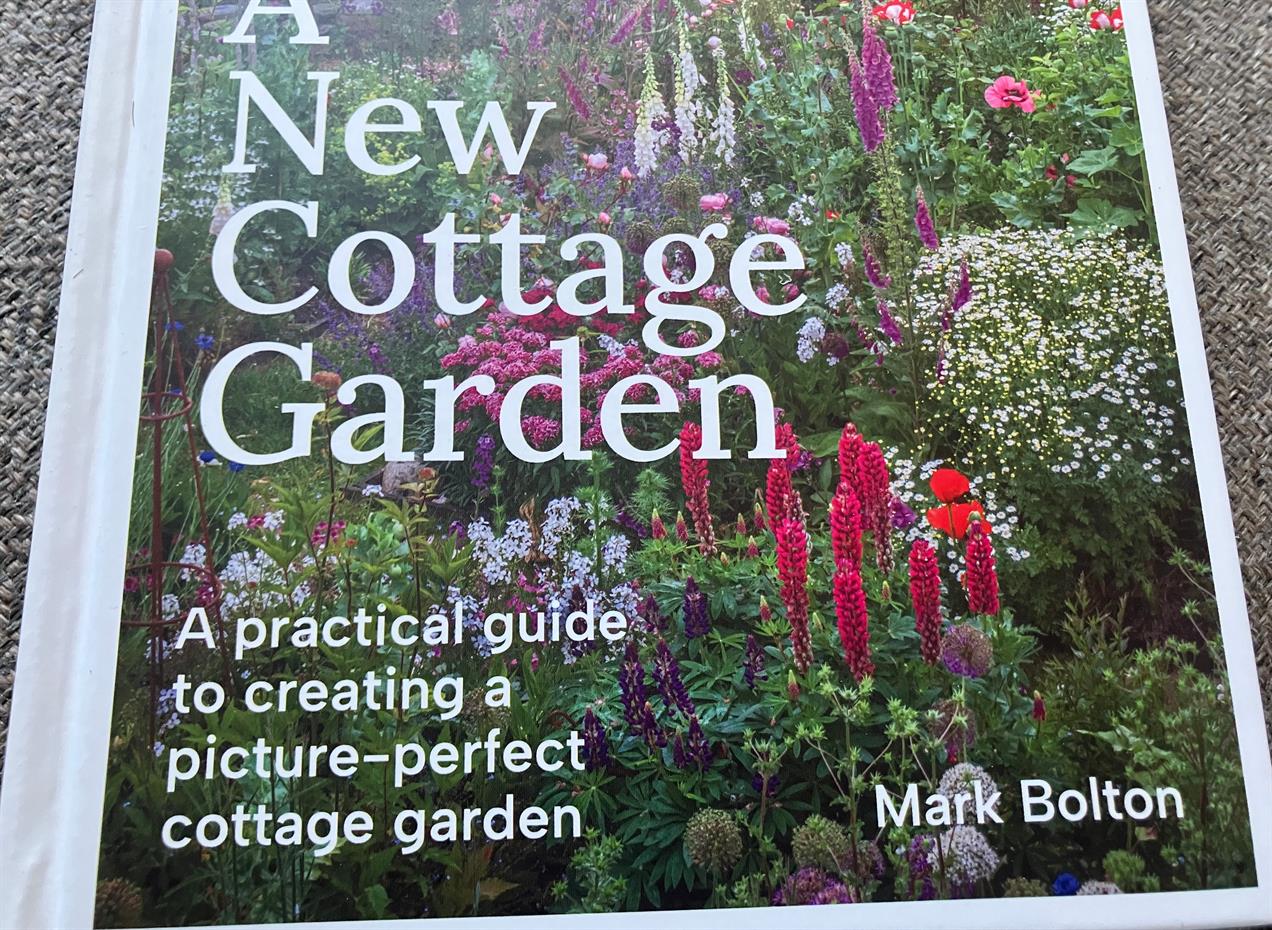
Mark Bolton's book is published by Gemini and looks at a familiar topic. Bolton covers cottage gardening from a different angle hower as he is a photographer-turned-writer and as such sees the space differently.
This is a personal account of how he created his own cottage garden in Devon. As a photographer, he wanted a garden that looked pictire-perfect every day.
In The Cottage Garden, Bolton manages a rare feat: he takes one of the most sentimentalised genres of horticulture and subjects it to the disciplined, aesthetic rigours of a professional lens.
The book begins with a grounding introduction by Tom Coward, the head gardener at Gravetye Manor. Coward provides the historical and philosophical framework, defining the cottage garden not merely as a jumble of hollyhocks and roses, but as a functional, atmospheric marriage of the wild and the curated. This sets a high bar for Bolton, who then spends the subsequent chapters detailing how he translated those lofty ideals into his own plot of Devon soil.
Bolton’s transition from photographer to writer is evident in his prose, which prioritises light, structure, and the "bones" of the garden. He avoids the flowery, overly-precious language often found in the genre, opting instead for a practical, almost architectural assessment of space. The middle sections of the book tackle the unglamorous but essential foundations: design, tools, sheds, and composting. By treating these elements as integral parts of the visual whole rather than hidden necessities, he provides a blueprint for a garden that works as well as it looks.
What makes this account particularly compelling is Bolton’s honesty regarding the "every day" requirement. A garden that looks good in June is easy; a garden that maintains its dignity in the bleakness of February is a feat of engineering. He focuses heavily on seed heads, evergreen structures, and the way frost interacts with skeletal plant forms, teaching the reader to see beauty in decay and dormancy.
Ultimately, Bolton’s work is a study in curation. It is less about the pursuit of a static ideal and more about the management of change. By merging Coward’s expertise with his own visual instincts, Bolton has produced a guide that is as much about the art of seeing as it is about the act of planting. It is a sophisticated, grounded contribution to gardening literature that proves a camera lens might just be as important a tool as a spade.