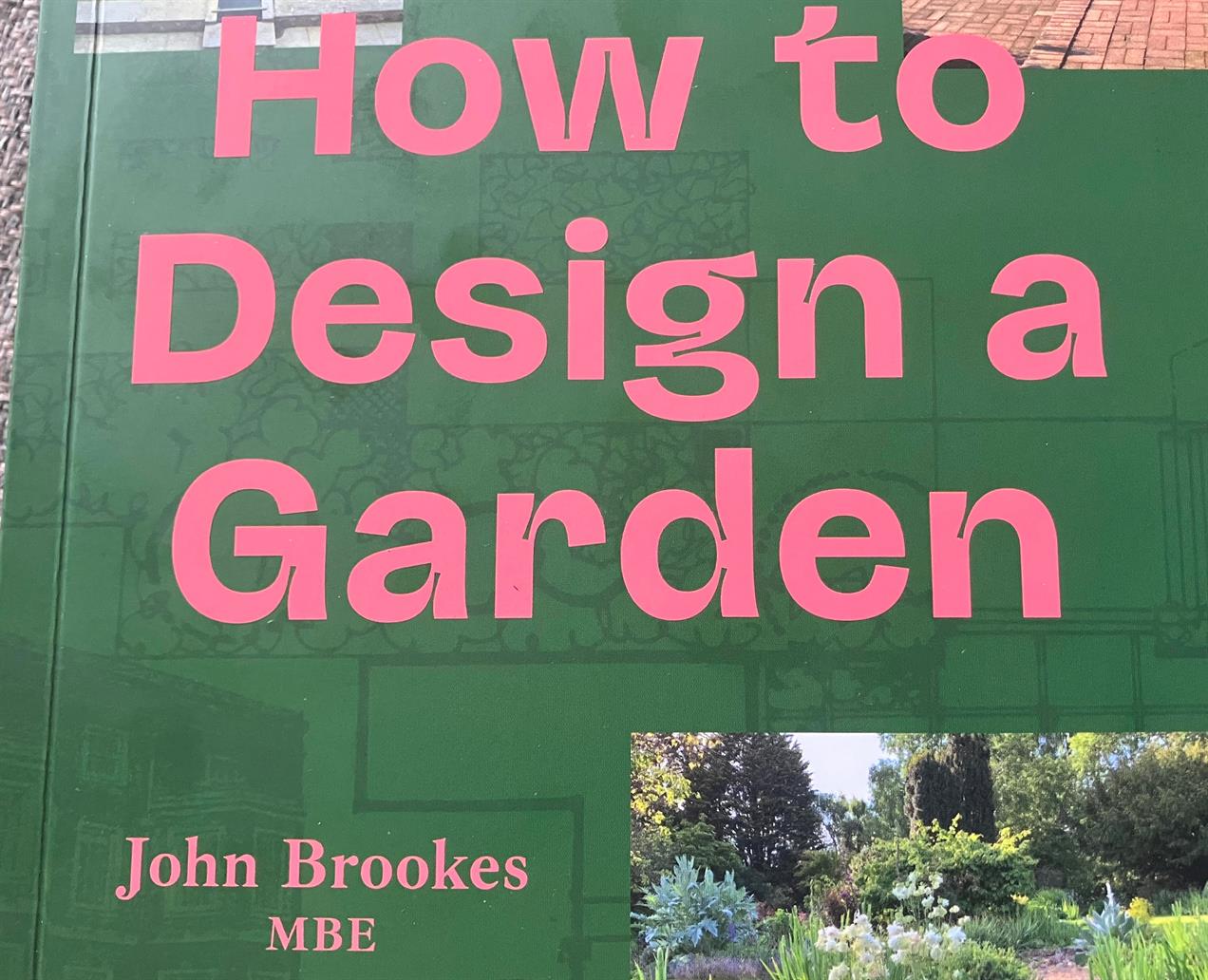
This revised and updated edition of How to Design a Garden shows off John Brookes' ideas of designed gardens being accessible to all.
Brookes' principle that the garden is an extension of the home (an "outdoor room") and using "grid methodology" are timeless. His approach emphasises low maintenance, functionality, and sustainability, rather than focusing solely on specific plants.
Cleve West says Brookes "made the modern garden", while Andrew Duff introduced the book by writing that Brookes introduced the idea of landscape architecture as a translation of the language of house architecture. Gwendolyn van Paasschen says if Brookes had become a farmer instead of a designer, worldwide design would be very different today.
Brookes said the garden should be an integrated living space, not just a place to grow plants, something that is perhaps more challenging now as designers seek to make spaces that have less hard landscaping and more plants.
Using a grid system to ensure harmony and proportion with your house, riffing off an architectural feature of your home took garden design to another level.
Brookes often viewed plants for their form and mass, using them to define space and levels, rather than as individual, labour-intensive specimens. He was an early proponent of using gravel and other low-maintenance materials in areas where grass struggled, which was certainly ahead of its time.
Incorporate environmental sustainability and respecting the native character and materials of the area is another area that has become commonplace in design.
Maybe most of all, thinking about how people will move through the garden and how areas can be enclosed to create different rooms is the legacy of Brookes, who died in 2018.
As such this book is a must-have for the shelves of any horticulturist who is interested in the look and feel of the garden.

.jpg)